5 Reasons Aluminum Cladding Leads Modern Home Design in 2026
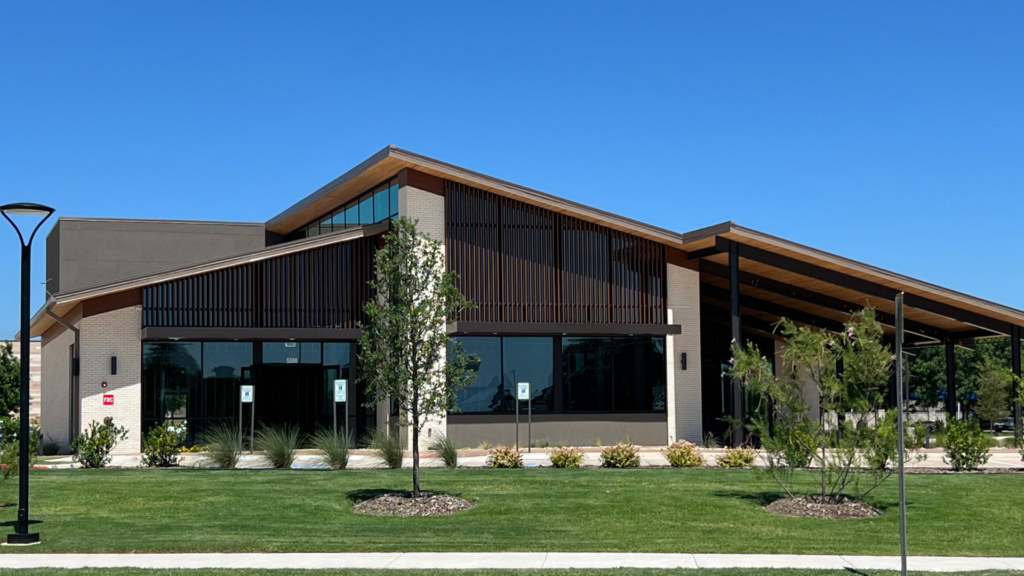
As modern homeowners seek exterior materials that balance aesthetics, performance, sustainability, and long-term value, aluminum cladding has emerged as one of the most talked-about trends in 2026. Across residential architecture, sleek metal facades aren’t just stylish, they’re strategic. From coastal villas to urban townhomes, aluminum cladding systems are being specified more often than traditional materials, and for good reasons. In this blog, we’ll dive into the five core drivers behind this shift and explain why aluminum cladding is capturing attention in contemporary home design. 1. Durability That Truly Lasts At the heart of aluminum cladding’s popularity is its exceptional durability. Unlike wood, which can warp or rot, and some metals that rust over time, architectural-grade aluminum resists corrosion even in harsh environments. This makes it ideal for varied climates from humid coastal regions to scorching inland interiors. Aluminum cladding panels are engineered to withstand wind, rain, UV exposure, and temperature fluctuations without degrading. Homeowners no longer have to choose between beauty and longevity; aluminum delivers both. Its corrosion resistance also helps buildings maintain structural integrity year after year, which translates into fewer repairs and lower long-term maintenance costs. 2. Aesthetics That Match Modern Design Sensibilities Contemporary architecture is defined by clean lines, minimalist forms, and materials that speak with quiet confidence. Aluminum cladding fits perfectly within this design language. Its smooth surface, crisp edges, and ability to take on various finishes make it a designer favorite. Whether your vision leans toward matte neutrals, bold colors, or metallic sheens, aluminum panels offer versatility that many other cladding materials can’t match. Cladding systems can also incorporate custom textures or wood-look finishes that echo natural materials while overcoming their durability gaps. This flexibility lets homeowners achieve a distinguished, modern facade without compromise. With urbanization and aesthetic priorities shifting toward contemporary expressions, aluminum cladding helps homes stand out while staying relevant in architectural trends. 3. Lightweight, Yet Exceptionally Strong One practical advantage of aluminum that often goes unspoken is its weight-to-strength ratio. Aluminum is significantly lighter than stone, concrete, or even some steel panels, yet it offers remarkable structural stability. This means installation becomes easier and more cost-effective. Lighter materials reduce transportation costs, speed up construction timelines, and place less stress on the building’s underlying framework. For homeowners undertaking major exterior renovations or new builds, this balance of strength and lightness is a decisive benefit. For taller structures or homes with expansive facades, aluminum cladding can be especially advantageous. Its low weight reduces load on foundations and supports, offering peace of mind without compromising on durability. 4. Low Maintenance That Saves Time and Money Any modern homeowner knows that maintenance expectations can make or break a design choice. Aluminum cladding excels here, too. Unlike wood, which requires routine staining or sealing, or stone, which may need specialized cleaning, aluminum panels stay clean with minimal effort. Often, a simple wash with water and mild detergent is enough to keep surfaces looking fresh. Aluminum’s resistance to rust, staining, and UV-related fading means homeowners can enjoy their exterior’s aesthetic appeal for years without frequent upkeep. Over time, this translates into real savings: less time spent on exterior care, lower costs on cleaning or repainting, and fewer unexpected repairs. For families, busy professionals, or anyone who values long-term convenience, this efficiency matters. 5. Sustainable and Forward-Thinking Environmental responsibility is no longer optional in 2026. Designers, builders, and homeowners alike are considering a material’s life cycle, recyclability, and environmental impact before specifying it. On all these fronts, aluminum cladding performs exceptionally well. Aluminum is 100% recyclable without loss of quality, meaning it can be reused at the end of its life without ending up in landfills. Many manufacturers now incorporate recycled aluminum into their products, reducing energy consumption and the carbon footprint associated with production. Moreover, aluminum cladding can contribute to energy efficiency. Its reflective surface helps mitigate heat absorption, reducing cooling loads in warmer climates. In some systems, integrated insulation layers further enhance thermal performance, cutting energy costs over the life of the home. These sustainability benefits align with growing interest in green building certifications and eco-conscious design, making aluminum cladding not just stylish, but smart. Why This Trend Matters for Homeowners in 2026 The rise of aluminum cladding isn’t a fad; it’s rooted in practical performance and design adaptability. As construction and renovation trends evolve, homeowners are looking for materials that provide long-lasting value, aesthetic flexibility, and environmental responsibility all at once. Aluminum cladding checks every box: These combined benefits explain why aluminum cladding is not only trending, it’s becoming a default choice for modern homes everywhere. How Carmel Redesign Helps You Embrace This Trend At Carmel Redesign, we specialize in bringing aluminum cladding solutions that balance design creativity with real-world performance. Each project is tailored to the client’s vision, whether the goal is a sleek contemporary facade, enhanced outdoor living spaces, or an exterior that captures attention for years to come. Our team works with architectural-grade aluminum products designed to withstand the test of time while staying true to your design intent. We handle everything from initial design consultation to installation, ensuring quality at every step. If you’re considering an exterior upgrade or planning a new build, exploring aluminum cladding options could be the design decision that adds both beauty and strategic value to your home. Final Thoughts In 2026 and beyond, the trend toward aluminum cladding continues to grow not because it’s fashionable, but because it delivers in all the ways that matter. For homeowners who want style without compromise, performance without constant upkeep, and sustainability without sacrificing quality, aluminum cladding stands out as a clear winner. Ready to explore how this material can transform your home? The right exterior starts with a material that’s engineered for today’s design demands and tomorrow’s expectations.
How to Pick the Perfect Colour & Texture for Your Aluminum Fence
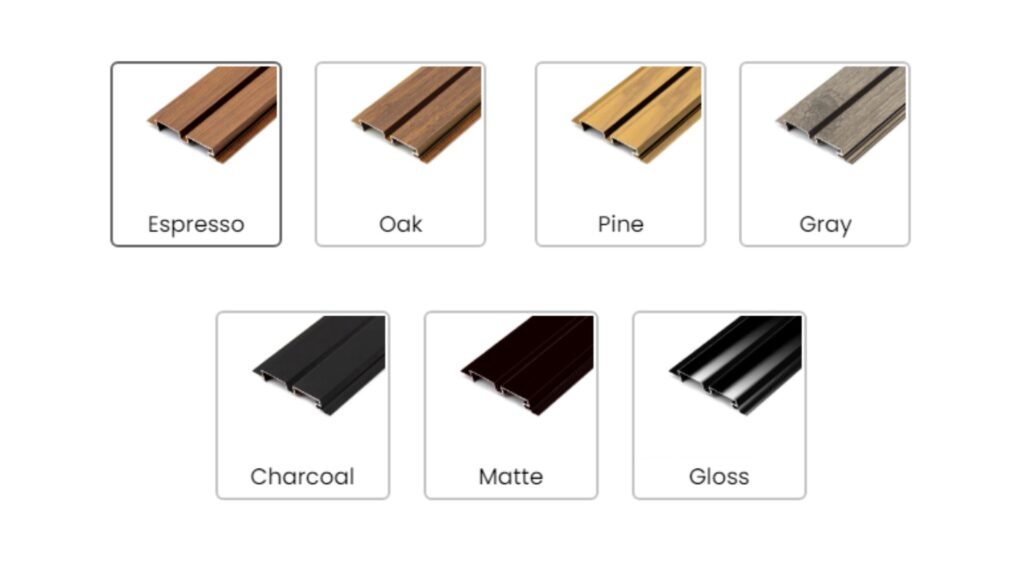
Choosing an aluminum fence is no longer just about putting a boundary around your property.It’s about defining your property’s personality. In modern architecture, a fence is seen as the first layer of design.It is the visual introduction to your space.It shapes first impressions.It frames the aesthetics of your home. That is why choosing the right colour and texture matters deeply. This Aluminum Fence Colour and Texture Guide is created to help homeowners, architects, and property developers make smart, confident, and long-lasting design choices. Why Aluminium Fences Are the Modern Choice Before diving into colour and texture, let’s understand why aluminum has become the preferred fencing material. Modern homeowners and architects prefer aluminum because it is: Unlike wood that warps or steel that corrodes, aluminum maintains its form and finish for years. Companies like Carmel Redesign have elevated aluminum fencing into a design element — not just a security feature — allowing users to explore endless colour and texture possibilities. This makes an Aluminum Fence Colour and Texture Guide essential for anyone investing in premium exterior design. Step 1: Start with Your Property’s Design Personality Every property has a design identity. Your fence must reflect that identity. There are three major architectural categories most homes fall into: 1. Modern / Contemporary Homes These homes focus on simplicity and clean geometry. They typically feature flat roofs, large windows, linear structures, and minimal ornamentation. Best colour choices: Best textures: These finishes support the futuristic look of modern homes. Carmel Redesign frequently uses these styles in high-end urban residential and villa projects. 2. Traditional / Classic Homes Traditional homes include colonial, heritage, or classical architecture. These homes often have rich detailing, symmetrical windows, and decorative finishes. Best colour choices: Best textures: These options enhance elegance without overpowering the architecture. This is a critical step in this Aluminum Fence Colour and Texture Guide. 3. Luxury Villas & Premium Estates These homes focus on exclusivity, scale, and richness. They mix modern and classical aesthetics. Best colour choices: Best textures: Carmel Redesign specializes in premium villa designs where aluminum fencing matches luxury design language perfectly. Step 2: Harmonize with Your Exterior Wall & Landscape Tones Your fence should connect visually with your surroundings. It must not fight with the architectural palette. Instead, it should blend or contrast elegantly. This is at the heart of any good Aluminum Fence Colour and Texture Guide. If Your House is Light-Coloured For: Use fences in: These create a bold contrast and enhance architectural depth. If Your House is Dark-Coloured For: Use fences in: These balance the heaviness and bring brightness. If Your House Uses Brick or Stone If your property uses: Choose from: Carmel Redesign offers tailored colour matching for such complex exterior environments. This ensures visual harmony across the structure. Step 3: Solid Colour vs Wood-Finish Texture This is one of the most important choices in this Aluminum Fence Colour and Texture Guide. Let’s understand both deeply. Solid Colour Aluminum Fences These are plain coloured fences, but far from boring. They offer: Best suited for: Popular colour choices: These colors never go out of trend. They are timeless. Wood-Finish Aluminum Fences These offer the beauty of wood without its problems. They provide: Ideal for: Common wood finishes: Carmel Redesign uses high-technology surface printing that creates natural wood grain patterns on aluminum. This gives you elegance without maintenance stress. Step 4: How Climate and Environment Affect Colour Choice Your local climate must influence your decision. This is a critical part of this Aluminum Fence Colour and Texture Guide that many homeowners ignore. Coastal Areas In coastal regions: Best options: Avoid high-gloss finishes as they reflect salt stains and light more. Hot & Sunny Zones In very hot regions: Better alternatives: Carmel Redesign has climate-specific coating solutions for such conditions. Dusty & Polluted Cities In urban pollution zones: Better choices: These hide dust and reduce cleaning frequency. Step 5: Texture Selection & Surface Feel Texture is not just visual.It changes how your fence reflects light and hides damage. Let’s break it down within this Aluminum Fence Colour and Texture Guide: Smooth Matte Texture Wood Grain Texture Brushed Metal Texture Sandstone / Stone Texture Each texture brings a unique character. Carmel Redesign offers all these textures with premium surface durability. Step 6: Choosing Based on Maintenance Effort Not all finishes need equal care. Your lifestyle matters. If you prefer: Go for: If you don’t mind frequent cleaning: Maintenance behavior is an important factor in this Aluminum Fence Colour and Texture Guide. Step 7: How Lighting Impacts Your Fence Light creates atmosphere. Your fence must look good: Here’s how colours behave: Carmel Redesign often provides lighting visualization before installation. This ensures your chosen colour works 24/7. Step 8: Trend Awareness vs Timeless Design Trends are important. But timelessness is critical. Good timeless colours: Trendy colours to be careful with: This guide encourages safe future-proof selections. Because your fence should still look premium 15 years later. Step 9: Common Mistakes Most People Make Many people fail despite good intentions. Here are mistakes this Aluminum Fence Colour and Texture Guide helps you avoid: A professional consultation with Carmel Redesign prevents these errors. How Carmel Redesign Makes the Process Easier Carmel Redesign doesn’t just supply fences. They provide a design experience. They offer: Their approach ensures your fence is not just functional but also visually timeless. This transforms your process into a guided design journey. FAQs – Aluminum Fence Colour and Texture Guide Does aluminum fade in strong sunlight? No, not with premium coatings used by Carmel Redesign. Can I mix two colours in one fence? Yes. Two-tone fencing is becoming very popular, especially for villas. Which texture suits high-end properties? Deep wood textures and brushed metallic finishes work best. How do I match my gate and fence? Use the same color family but you can add texture difference for contrast. Does color affect fencing price? Custom finishes may increase cost slightly, but they also increase property value. Final Thoughts Choosing your fence is choosing a
5 Design Trends in 2025 for Aluminum Cladding Every Architect Loves
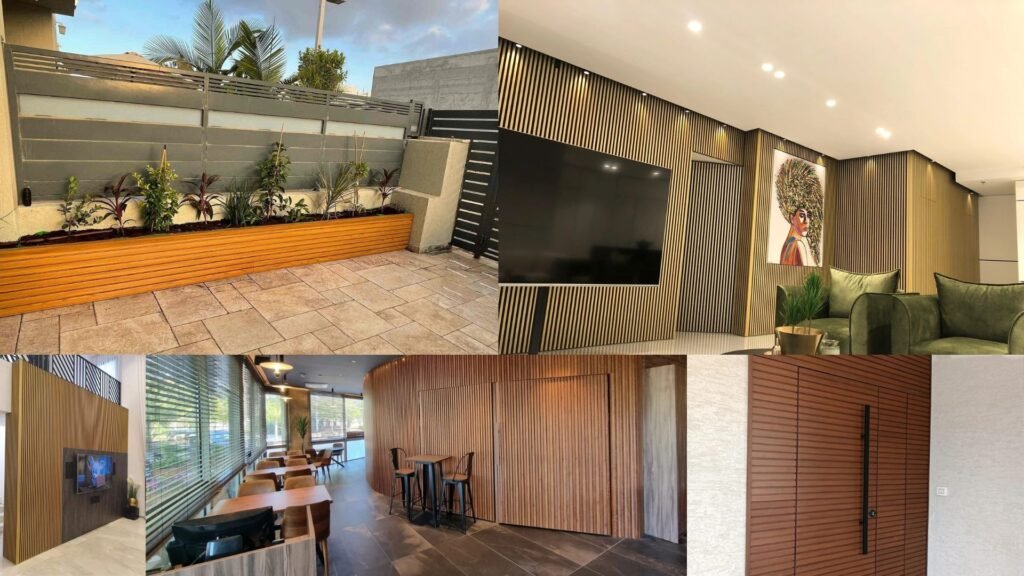
Architecture in 2025 is not just about beautiful buildings.It is about intelligent material choices.It is about performance with aesthetics.It is about sustainability without compromise. That is exactly why Aluminum Cladding and Fencing Trends 2025 are shaping modern architecture. Across residential villas, commercial spaces, hospitality projects, and urban infrastructure, aluminum is becoming the preferred choice for forward-thinking architects. Let’s explore the 5 biggest design trends shaping aluminum cladding and fencing in 2025 — and why architects worldwide are embracing them. Why Aluminum Is Winning in 2025 Materials today must satisfy multiple demands. They must be: Aluminum answers all these needs. Unlike wood, steel, or cement boards, aluminum cladding and fencing do not rot, rust, or crack easily.They remain stable over years of weather exposure. Companies like Carmel Redesign are leading this transformation by creating innovative aluminum facade and fencing systems for modern architecture. Their designs are already influencing many Aluminum Cladding and Fencing Trends 2025 seen across premium residential and commercial projects. Trend 1: Nature-Inspired Tones and Realistic Wood Textures In 2025, natural aesthetics dominate architecture. But traditional wood has limitations: To solve this, architects are turning to wood-look aluminum cladding and fencing. Popular finishes include: These finishes replicate real wood texture using advanced powder coating or sublimation technology. They provide: Carmel Redesign offers advanced wood-finish aluminum panels designed specifically for tropical and coastal climates, which makes them highly relevant in Indian and global architectural projects. This movement is becoming a defining pillar of Aluminum Cladding and Fencing Trends 2025. Trend 2: Ultra-Minimalist Lines and Seamless Surfaces Modern architecture is moving towards visual simplicity. In 2025, design language focuses on: Architects no longer want bulky or layered facades.They prefer surfaces that look continuous and uninterrupted. Aluminum is perfect for these designs because: In fencing, minimal vertical or horizontal slats are becoming dominant. In cladding, large aluminum sheets with invisible fixings are trending. Carmel Redesign specializes in seamless aluminum façade solutions that support this aesthetic with structural reliability. This minimal movement is one of the strongest Aluminum Cladding and Fencing Trends 2025 in modern architecture. Trend 3: Sustainability-Driven Material Selection Sustainability is not optional in 2025.It is a global necessity. Architects are expected to select materials that: Aluminum perfectly fits this shift. Here’s why: Unlike wooden fencing that must be replaced often, aluminum lasts decades with minimal maintenance. This supports sustainable city planning and green building certifications. Carmel Redesign actively promotes eco-conscious aluminum architecture that aligns with modern sustainability goals. This is a key driver behind Aluminum Cladding and Fencing Trends 2025 in large-scale urban projects. Trend 4: Integration with Smart Architecture Buildings are becoming smarter. In 2025, aluminum cladding and fencing are no longer passive elements.They are becoming part of intelligent architecture. Architects are designing aluminum structures that integrate: Aluminum’s structural flexibility allows clean integration of wiring and devices without destroying aesthetics. For example: Carmel Redesign is working on projects where aluminum cladding supports smart home and commercial automation features. Smart infrastructure integration is now a powerful part of Aluminum Cladding and Fencing Trends 2025. Trend 5: Mixed Material Façade Combinations In 2025, mono-material designs are fading. Architects prefer layered textures and multi-material compositions. Aluminum is being paired with: This hybrid design approach creates visually rich and structurally balanced architecture. Aluminum plays the role of: For example: Carmel Redesign is known for executing complex material combinations using aluminum as the central design element. This multi-material approach defines high-end Aluminum Cladding and Fencing Trends 2025. Why Architects Are Actively Shifting to Aluminum Architects love aluminum cladding and fencing because it solves both design and engineering problems. It offers: For urban projects, aluminum reduces structural load while maintaining strength. For residential projects, it elevates visual appeal with minimal upkeep. Cost Efficiency Over Time While aluminum might appear premium initially, its lifecycle cost is lower. Here’s why: Over 15–25 years, aluminum cladding and fencing become more economical than wood or steel. This financial logic further strengthens Aluminum Cladding and Fencing Trends 2025. Relevance for Architecture & Design Students If you are an architecture or design student working on portfolios, concept designs, or Ivy League applications, understanding these trends is extremely valuable. You can showcase: This practical insight gives your academic work stronger credibility. Referencing Aluminum Cladding and Fencing Trends 2025 in your design explanations also demonstrates market awareness and forward-thinking — traits valued by top universities and design programs. How Carmel Redesign Fits These Trends Carmel Redesign aligns directly with the future of architecture. They specialize in: Their projects reflect modern design thinking and long-term durability. They don’t just sell materials.They design architectural experiences backed by engineering. This makes them a natural example when discussing Aluminum Cladding and Fencing Trends 2025. FAQs – Aluminum Cladding and Fencing Trends 2025 Is aluminum suitable for high-rise buildings? Yes. Its lightweight nature and structural reliability make it ideal for tall structures. Does aluminum fencing fade? High-quality coated aluminum maintains color for many years, especially with proper surface treatment used by Carmel Redesign. Is aluminum cladding weather resistant? Yes. It performs excellently in rain, heat, humidity, and coastal conditions. Can aluminum be customized easily? Yes. Aluminum allows precise cutting, shaping, and customization for architectural needs. Is it better than steel for fencing? For most residential and aesthetic applications, aluminum outperforms steel in corrosion resistance and maintenance. Final Thoughts The architecture of 2025 is intelligent, clean, and sustainable. These Aluminum Cladding and Fencing Trends 2025 show how aluminum is transforming urban and residential spaces with durability and design freedom. Architects no longer want materials that just look good.They want materials that perform, last, and evolve with technology. Carmel Redesign is actively shaping this future with their aluminum systems — helping architects and designers build smarter, cleaner, and stronger spaces. If you are exploring modern architectural design or upgrading your next project: Connect with Carmel Redesign to explore aluminum cladding and fencing solutions aligned with the latest Aluminum Cladding and Fencing Trends 2025. Design the future, with materials that last.
5 Scientific Reasons Aluminum Cladding Durability Beats Every Other Material
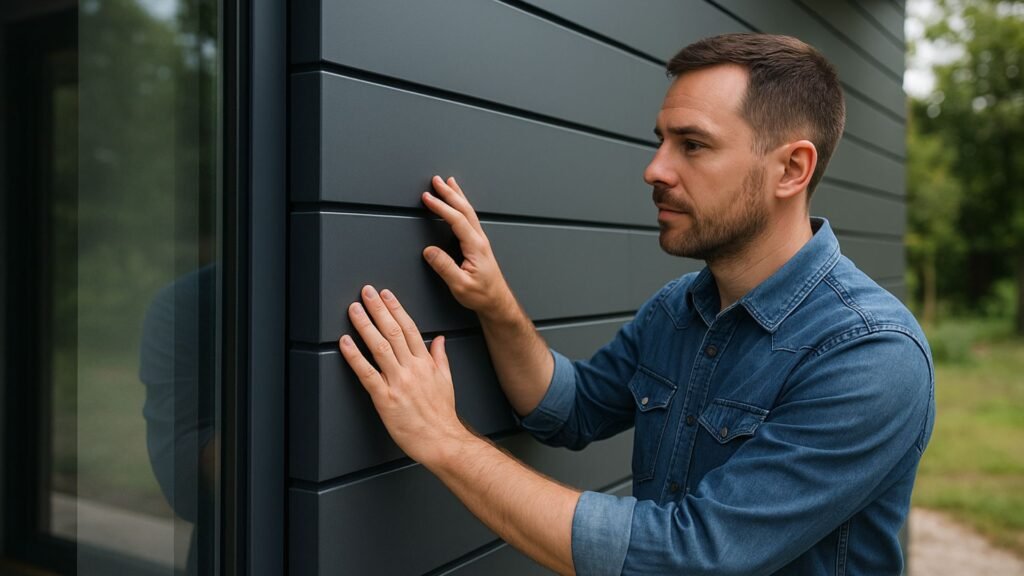
Have you ever wondered why many of the world’s most iconic and long-lasting buildings use metal façades instead of wood or stone?What makes Aluminum Cladding Durability such a powerful selling point in architecture and construction?If you’re a student planning to cite building materials in your Ivy League engineering or architecture application essays, this blog will arm you with scientific reasons and real-world context to choose aluminum cladding. In this post, we explore 5 scientific reasons why Aluminum Cladding Durability often outperforms other materials. We also weave in how Carmel Redesign uses and recommends aluminum cladding solutions for top-tier projects. By the end, you’ll see not just the “what,” but the “why”, with data, and how to incorporate this knowledge in your academic writing or project proposals. Why Focus on Aluminum Cladding Durability? Before diving into the reasons, let’s clarify: We will revisit Carmel Redesign later; first, let’s look at the science. Overview: Comparison with Other Cladding Materials Material Common Weaknesses Typical Lifespan* Wood Corrosion (unless protected), heavyweight 20–30 years (with upkeep) Fiber cement Cracking, moisture ingress over time 30–50 years Vinyl UV degradation, discoloration, brittleness 20–30 years Steel / Corten Cracking, spalling, and mortar degradation 40–60 years (with protection) Stone / Brick Cracking, spalling, and mortar degradation 50–100+ years (but heavy, costly) Aluminum Cladding / ACP Susceptible to dents, possible coating degradation 50–60+ years (if well designed) Let’s quickly see what aluminum competes with: wood, fiber cement, vinyl, steel, stone, brick, and composite panels (e.g., ACPs with plastics).* Lifespans depend heavily on installation, environment, coating, and maintenance. Aluminum cladding systems, when properly designed and installed, can routinely last over 60 years. Now, let’s dive into the scientific reasons why. 1. Natural Oxide Layer and Corrosion Resistance What the Science Says One of the key defenders of aluminum against corrosion is its ability to form a thin, adherent aluminum oxide (Al₂O₃) layer when exposed to air or moisture. That oxide layer is extremely stable, passive, and protective. Unlike metals like iron that rust and flake, aluminum’s oxide layer tends to “self-heal” , small scratches or nicks reoxidize quickly and restore protection. This passive film means that in corrosive environments (coastal air, humidity, acid rain), aluminum will resist degradation far longer than many alternatives. Why It Beats Others Because aluminum’s oxide barrier is inherent and self-regenerating, Aluminum Cladding Durability gets a strong first point. 2. High Strength-to-Weight Ratio & Structural Efficiency What the Science Says Aluminum has a relatively low density (~2.71 g/cm³), about one-third that of steel, yet with proper alloying, it can maintain substantial strength. In façade systems, a lighter cladding reduces dead load on the structure, lessening stress on columns and foundations. Moreover, modern aluminum alloys and composite panels can be engineered for stiffness, impact resistance, and fatigue tolerance. Aluminum façade panel systems are designed to absorb wind loads, thermal expansion, and small impacts without cracking. Why It Beats Others Thus, aluminum’s favorable strength-to-weight combination contributes significantly to Aluminum Cladding Durability, especially over decades where fatigue and cumulative loads matter. 3. Thermal and UV Stability, Minimal Fatigue What the Science Says A durable cladding must survive cycles of temperature change (day/night, seasonal). Aluminum has good thermal conductivity, which helps distribute heat evenly, and its expansion coefficient is known and manageable in design. While repeated thermal cycling induces stress, aluminum alloys under proper support systems can withstand many cycles without crack initiation. Furthermore, the oxide layer and selected coatings protect the surface from UV degradation. UV-resistant coatings (e.g., fluoropolymer paints, anodizing) further shield against fading, chalking, and loss of finish. In contrast, plastics and composites may degrade under UV, discolor, become brittle, or delaminate over time. Why It Beats Others Hence, for the long haul, Aluminum Cladding Durability holds strong under heat and sunlight cycles. 4. Resilience to Fire, Pests, and Biological Attack What the Science Says Aluminum is non-combustible and does not fuel a fire; it may warp or melt under extreme temperatures but does not propagate flame. In many jurisdictions, aluminum cladding systems must comply with fire codes (e.g. ASTM, NFPA, local standards). When designed properly, they contribute minimal combustible load to a building façade. Also, aluminum is immune to termites, fungal decay, and insect attack. Wood and similar organic materials face chronic risk from these agents, especially in humid or tropical climates. This means no rot, no insect galleries, and no mold growth eating away the material over decades. Why It Beats Others Thus, Aluminum Cladding Durability includes a built-in defense against fire and biological threats no periodic chemical treatment needed. 5. Recyclability, Sustainability, and Longevity Economics What the Science Says Aluminum is one of the most recyclable materials. Recycled aluminum retains nearly all its original physical properties. Over its life cycle, aluminum cladding requires minimal maintenance, saving costs on repainting, replacement, or repair. Its lightweight nature reduces transportation energy and emissions. In life-cycle cost analysis, the upfront cost of aluminum may be higher, but the total cost per year of service (accounting for durability and low maintenance) often becomes favorable. When a cladding element finally does reach the end of life, aluminum can be collected and recycled rather than landfilled, helping sustainability goals. Why It Beats Others Thus, Aluminum Cladding Durability is not just technical strength but long-term sustainability and cost efficiency over decades. How These 5 Reasons Work Together in Real Projects When Carmel Redesign plans a façade, these scientific pillars guide material selection: By integrating architectural aesthetics with these durable underpinnings, Carmel Redesign differentiates itself as a firm that doesn’t just propose “pretty façades” but lasting, scientific solutions. Practical Considerations & Caveats While Aluminum Cladding Durability offers tremendous advantages, real-world success depends on design, execution, and environmental matching. Let’s note some caveats: These challenges are manageable, and this is exactly why a façade design firm like Carmel Redesign focuses not just on theoretical durability but practical detailing. How to Use Aluminum Cladding Durability in Student Projects or Ivy League Essays If you’re writing a college-level architecture, civil engineering, or materials science essay or
7 Signs It’s Time to Upgrade Your Exterior Cladding
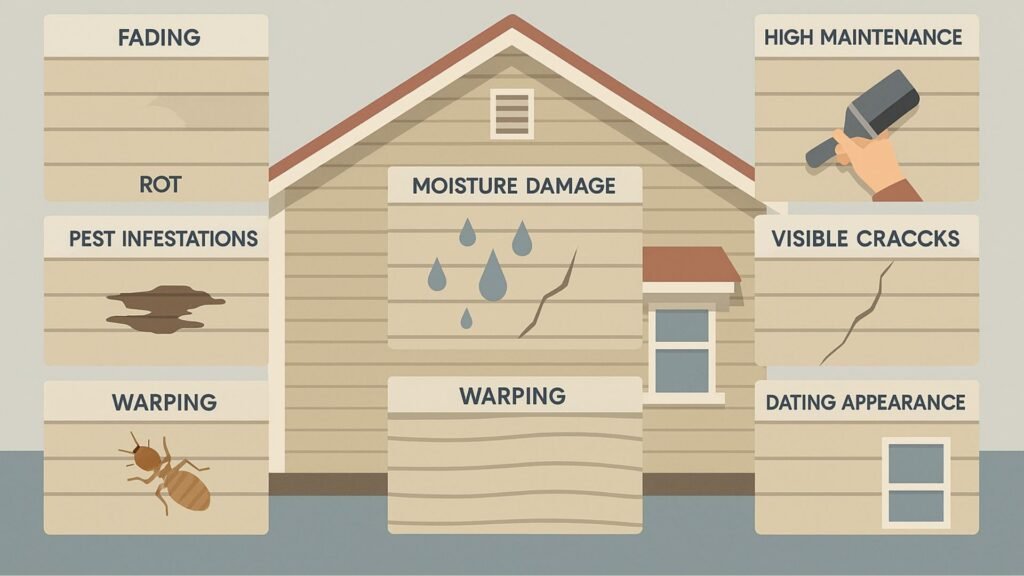
Introduction Every property owner wants a home or building that looks stunning and performs well against the elements. But over time, even the strongest exteriors start to show wear. Cracks, fading, or moisture issues can creep in slowly, and before long, you realize your property no longer looks or feels the way it should. That’s where an exterior cladding upgrade comes in. Cladding isn’t just about looks—it’s your property’s protective armor. It shields against wind, rain, pests, and temperature extremes, while also shaping the entire aesthetic of your exterior. When it starts to fail, your building’s structure, efficiency, and value are at risk. In this detailed guide, we’ll highlight 7 major signs. We’ll also explore why aluminum cladding has emerged as the go-to choice for modern homeowners, contractors, and architects. Whether you’re planning a renovation or looking to protect your investment long-term, this guide will help you understand when and why to make the switch. 1. Visible Cracks, Warping, or Rot One of the easiest indicators that your cladding needs attention is visible damage. Over time, wood warps, vinyl cracks, and older materials begin to rot or peel. These changes might start small, but they quickly spiral into larger issues if ignored. 2. High Maintenance Costs Do you feel like you’re spending every season on upkeep? If you constantly need to repaint, re-stain, or replace damaged siding, that’s a red flag. Traditional wood cladding requires sanding and sealing, and vinyl can fade and chip. 3. Rising Energy Bills If your utility bills are climbing, your cladding may be partly to blame. Outdated or failing cladding often leaks air and fails to insulate properly. This forces your HVAC system to work harder, especially during hot summers or cold winters. 4. Outdated Aesthetics Your exterior is the first thing visitors, neighbors, and potential buyers notice. If it looks faded, outdated, or out of sync with modern architecture, it instantly lowers the impression of your property. 5. Water Damage and Mold Growth Water infiltration is one of the most serious issues with aging cladding. If you notice bubbling paint, black mold patches, or damp walls, your cladding is no longer performing its job. 6. Structural Weakness Do your walls rattle in strong winds? Are panels becoming loose or noisy? This indicates your cladding system has lost its integrity. 7. Preparing for Renovation or Sale Sometimes, it’s not about visible damage but future planning. If you’re renovating your property or preparing to sell, upgrading your cladding is one of the best moves you can make. The Long-Term Benefits of an Exterior Cladding Upgrade Investing in new cladding isn’t just about solving problems—it’s about unlocking long-lasting advantages: By committing to an exterior cladding upgrade, you create a more sustainable, stylish, and resilient property. Why Aluminum Is the Future of Cladding Wood, vinyl, and stone each have merits, but none combine the qualities of aluminum: For contractors, aluminum’s ease of installation is a game-changer. For homeowners, its long life span and modern look make it the obvious choice for an exterior cladding. FAQs Q1: How do I know it’s time for an exterior cladding upgrade? Look for signs such as cracks, water damage, high energy bills, or outdated appearances. Q2: How long does aluminum cladding last? With proper installation, aluminum cladding can last over 30 years with minimal upkeep. Q3: Is aluminum cladding eco-friendly? Yes, aluminum is 100% recyclable, making it a sustainable choice for your exterior cladding. Q4: Will upgrading cladding increase my property value? Absolutely. Modern cladding improves curb appeal, energy efficiency, and resale potential. Q5: Can aluminum cladding be customized? Yes, it comes in a wide range of colors, finishes, and textures to match any design. If your cladding shows any of the warning signs—damage, high maintenance, energy inefficiency, or outdated style—it’s time to act. An exterior cladding is more than a cosmetic change. It protects your property, reduces costs, and enhances value. At Carmel Redesign, we specialize in premium aluminum cladding systems that combine style, strength, and sustainability. Visit carmelredesign or call +12069281884 today to schedule your consultation.
3 Ways the match-and-click aluminum fencing system Simplifies Installation
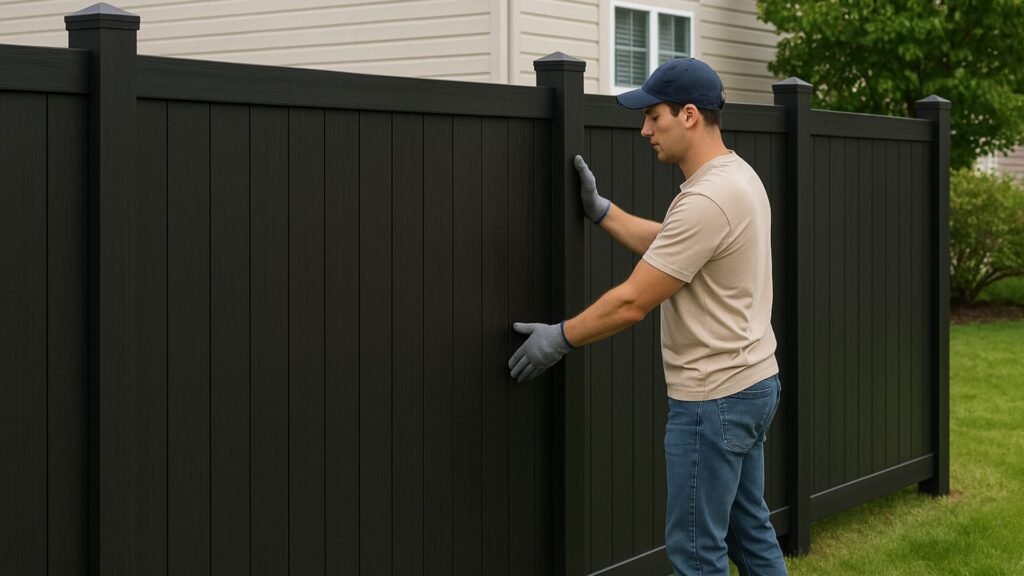
Trying to fence your property but dreading days of digging, drilling, and unexpected costs?Have you postponed that backyard makeover because traditional fence kits look like puzzles with missing pieces?Wish you could set sturdy, stylish panels in a single afternoon—without renting special tools or calling extra hands? If your answer is yes, the match-and-click aluminum fencing system is about to change how you think about perimeter security. This guide breaks down three game-changing advantages that make installation faster, cleaner, and remarkably stress-free. Along the way, you will see why homeowners, landscapers, and contractors alike choose Carmel Redesign to supply and support this groundbreaking solution. Quick facts at a glance With the match-and-click aluminum fencing system, every component is engineered to snap, slide, and lock into place with minimal effort. The result is a premium look without the premium hassle. Way 1: Precision-Matched Panels and Posts Eliminate Guesswork Most fence frustrations start before the first posthole. Uneven ground, inconsistent panel widths, and misaligned bolt holes can force endless adjustments. The match-and-click aluminum fencing system removes these headaches by shipping factory-matched panels and posts that line up perfectly right out of the box. How it works Each rail is extruded to exact tolerances, then paired with posts that feature integrated alignment channels. When you drop a panel into a post slot, spring-loaded tabs engage automatically. One tap with a rubber mallet sets the connection. That satisfying click means the joint is square, secure, and ready for the next section. Why it matters By eliminating complex measurements, the match-and-click aluminum fencing system lets you focus on layout, not liability. Carmel Redesign trains its project consultants to help you map panel counts, gate placements, and corner angles before your shipment leaves the warehouse, keeping surprises off the jobsite. Way 2: Tool-Free Locking Mechanism Speeds Every Step Traditional aluminum fences rely on self-tapping screws or rivets that demand pilot holes and careful torque. Stripped heads and metal shavings are inevitable. The match-and-click aluminum fencing system swaps those old habits for a patented slide-n-lock rail connector that needs nothing more than a gentle tap. Core features Because the connector self-centers, accidental over-tightening is impossible. You keep full panel strength without risking cracked powder coat. Fewer tools mean fewer trips back to the toolbox—an efficiency boost homeowners feel immediately. Real-world results Carmel Redesign surveyed installation crews across eight states. Teams reported a 35 percent reduction in average labor hours after switching to the match-and-click aluminum fencing system for suburban pool enclosures. On a 120-foot run, that translates into a full day saved and hundreds of dollars kept in your pocket. Way 3: Modular Adaptability Tackles Slopes and Corners with Ease Perfectly flat yards are rare. Grade changes and tight property lines challenge even seasoned pros. The match-and-click aluminum fencing system anticipates uneven terrain with swivel-top brackets and rackable panels that adjust up to 24 degrees without cutting rails. Flexible by design With these adaptable parts, you can contour a fence along rolling hillsides or jog around landscaped beds while maintaining structural integrity. Carmel Redesign stocks all slope and corner accessories in matching powder-coat finishes, so color consistency is guaranteed. More Benefits You Gain Right Away Lightweight strength Aluminum resists corrosion, yet weighs roughly one-third of steel. Single panels in the match-and-click aluminum fencing system typically weigh under 20 pounds, so one person can maneuver them safely. Low maintenance lifestyle The powder-coated surface shrugs off UV rays and moisture. Wash with a hose once a season—no repainting, no rust convertor, no need to seal knots like wood. Enhanced curb appeal Slim horizontal rails, hidden fasteners, and designer color palettes give the match-and-click aluminum fencing system a premium architectural profile. Carmel Redesign offers free digital renderings so you can preview styles, heights, and gate accents before committing. Step-by-Step Installation Snapshot With the match-and-click aluminum fencing system, most DIYers finish a 60-foot run and gate in a single Saturday morning. Need backup? Carmel Redesign maintains a network of certified installers who complete the same project in two hours on average. Sustainability and Safety Highlights Every match-and-click aluminum fencing system carries ICC code compliance for pool safety when installed at 54 inches or taller. Carmel Redesign supplies documentation for local permitting, streamlining approvals. Dollars and Hours: Crunching the Numbers Installing any perimeter barrier costs time and money. What many homeowners forget is that labor often exceeds material costs once you factor in prep, tools, and clean-up. Switching to Carmel Redesign’s engineered panels flips that ratio in your favor. Labor savings you can measure A traditional welded steel fence averages 12 linear feet per labor hour. The slide-n-lock aluminum rail hits 24 linear feet in the same time. If your yard calls for 180 feet of enclosure, you are looking at 7.5 hours versus 15 hours of install time. Multiply that by an average contractor rate of 50 USD per hour and you pocket nearly 375 USD in labor alone. Material efficiency reduces waste Because each panel arrives finished to size, there is no trimming or splicing. You buy exactly what you use. Leftover short rails from wood or vinyl jobs often end up in landfill. Selecting a precision kit supports waste-reduction goals while lowering haul-away fees. Long-term return on investment A quality aluminum fence carries a 30-year expected lifespan. Wood replacements every decade stack up quickly when you consider lumber, stain, and disposal. Spread ownership costs over three decades and the aluminum option often delivers a 40 percent lower total cost of ownership. DIY Friendly Yet Contractor Approved Why weekend warriors love the kit Why pros keep it on the truck Whether you are tackling the project solo or hiring a licensed crew, Carmel Redesign supplies detailed PDF manuals, phone support, and video tutorials. As a result, even first-time installers move confidently from unboxing to final inspection. Real Customer Spotlight: The Parkside Pool Project Location: Austin, TexasScope: 140 feet, 54-inch pool code height, dual access gatesChallenge: Rocky soil and a two-foot grade change in the back corner Solution The installation team
5 Reasons Aluminum Fencing for Modern Homes Is the Best Choice
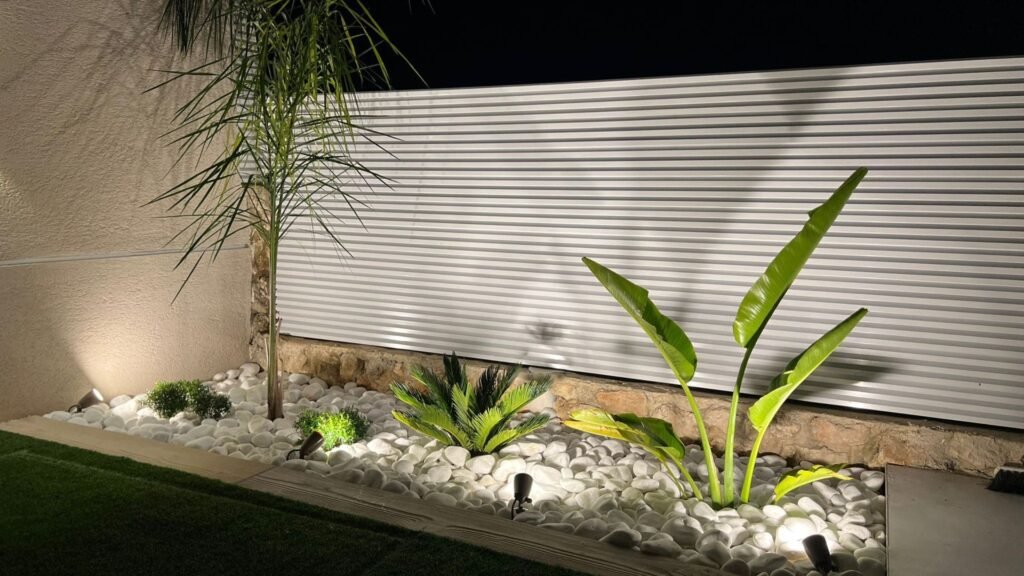
When it comes to exterior upgrades, aluminum fencing for modern homes has emerged as one of the most practical, stylish, and long-lasting options available. Homeowners today are seeking fencing solutions that not only enhance curb appeal but also require minimal maintenance and offer long-term value. That’s where aluminum fencing truly shines. In this blog, we’ll explore why aluminum fencing for modern homes is gaining such popularity, backed by five solid reasons that cover durability, aesthetics, environmental impact, and more. Whether you’re building a new property or updating your current one, understanding the benefits of aluminum fencing can help you make a smarter, future-proof investment. 1.Unmatched Durability in All Climates Aluminum fencing for modern homes offers superior strength and durability, making it ideal for long-term residential use. Unlike wood or wrought iron, aluminum does not rust, warp, or corrode. It’s engineered to withstand extreme heat, cold, rain, and humidity—perfect for a wide variety of climates. Why Durability Matters Low Repair Costs: No need to deal with rotting wood or rusted metal panels. Longer Lifespan: Many aluminum fences can last 30+ years with minimal care. Weather-Resistant Finish: Powder-coated aluminum finishes add an extra layer of protection against elements. Whether you’re living along the coast or in a region prone to heavy rains, aluminum fencing for modern homes delivers dependable, low-maintenance protection year-round. 2.Minimal Maintenance with Maximum Visual Appeal Modern homeowners are busy—and constant upkeep is the last thing they want. That’s where aluminum fencing provides a major advantage. Key Benefits of Low-Maintenance Fencing: No repainting required: Powder-coated surfaces retain color and resist chipping. Easy cleaning: A simple hose-down is often enough to keep it looking pristine. Insect-proof: Aluminum is not vulnerable to termites or pests. And let’s not forget the curb appeal. with sleek lines and customizable finishes, aluminum fencing for modern homes complements contemporary architecture perfectly. You can choose from: Matte black for a minimalist aesthetic Bronze or silver for a modern metallic look Ornamental designs that echo luxury and refinement Whether enclosing a front yard or a backyard garden, aluminum adds style without compromising practicality. 3.Cost-Effective Without Sacrificing Style Many homeowners believe that modern design and durability come with a high price tag. However, aluminum fencing for modern homes offers the perfect blend of affordability and style. Why Aluminum Fencing Makes Financial Sense: Lower installation costs compared to wrought iron or steel Virtually no ongoing maintenance expenses High ROI due to long-term durability and increased property value Moreover, aluminum fencing is lightweight and easier to install than traditional materials. This reduces labor time and costs, making it ideal for budget-conscious homeowners looking to add a designer touch without overspending. Want the modern aesthetic of metal with none of the headaches? Aluminum fencing is your answer. 4.Eco-Friendly and Sustainable Material In an era of climate consciousness, homeowners are paying closer attention to the materials they use. Aluminum fencing for modern homes stands out as an environmentally responsible choice. Green Features of Aluminum Fencing: 100% recyclable: Aluminum is one of the most recyclable materials in the world. Sustainably manufactured: Many suppliers use recycled aluminum without compromising strength or appearance. No need for chemical treatments: Unlike wood, aluminum doesn’t require sealants or preservatives. By choosing aluminum, you reduce your carbon footprint while still enhancing your home’s aesthetics and security. It’s a smart, responsible choice for the eco-conscious homeowner. 5.Versatile Design Options for Every Modern Home From clean and minimalist to intricate and artistic, aluminum fencing for modern homes is available in a wide variety of styles, sizes, and finishes. Customization Options Include: Flat-top or spear-top designs Privacy slats or open-panel fencing Decorative embellishments like scrolls or finials Multiple height options for privacy or security And since aluminum is easy to work with, custom designs are more affordable than with traditional metalwork. Whether you’re looking to frame your front yard with a modern silhouette or create a secure backyard for kids and pets, aluminum fencing can be tailored to fit your needs without clashing with your architecture. Common Use Cases for Aluminum Fencing in Modern Homes Here’s how modern homeowners are using aluminum fencing creatively: Here’s how modern homeowners are using aluminum fencing creatively: Application Benefits Pool Enclosures Rust-resistant and meets safety codes Garden Borders Lightweight and decorative Driveway Gates Adds security with style Balcony Railings Sleek look with structural integrity Pet Containment Safe and customizable height options These practical applications prove that aluminum fencing for modern homes is not only stylish but also highly functional. How Aluminum Fencing Compares to Other Materials Material Durability Maintenance Aesthetics Cost Eco-Friendly Aluminum Excellent Very Low Modern & Customizable Moderate Yes Wood Moderate High Traditional/Natural Moderate No Vinyl Good Low Basic Low-Moderate Limited Wrought Iron Excellent High Ornamental High No From this comparison, it’s clear why aluminum fencing for modern homes continues to lead the pack in 2025. Why Carmel Redesign Recommends Aluminum Fencing At Carmel Redesign, we believe in offering the perfect blend of form and function. We’ve seen firsthand how aluminum fencing for modern homes can transform properties into secure, stylish sanctuaries. Our fencing solutions are: From fencing and wall panels to hidden doors and cladding systems, our aluminum products represent the pinnacle of modern exterior design. Ready to give your home the edge it deserves? Contact Carmel Redesign today for a custom quote and consultation. Final Thoughts Aluminum fencing for modern homes isn’t just a trend—it’s a smart, sustainable, and stylish investment for homeowners looking to elevate their property’s look and functionality. With its unmatched durability, low maintenance requirements, and aesthetic flexibility, it outperforms traditional fencing materials on every level. Whether you’re building from scratch or upgrading your current space, consider aluminum fencing as your go-to solution. It’s where design meets durability—elegantly. FAQs Q1. Is aluminum fencing suitable for coastal areas?Yes, aluminum is highly resistant to rust and corrosion, making it ideal for homes near salty coastal environments. Q2. How long does aluminum fencing last?With proper installation, aluminum fences can last over 30 years without significant wear or damage. Q3. Can
8 Stunning Ideas for Using Aluminum Cladding in Your Outdoor BBQ Area
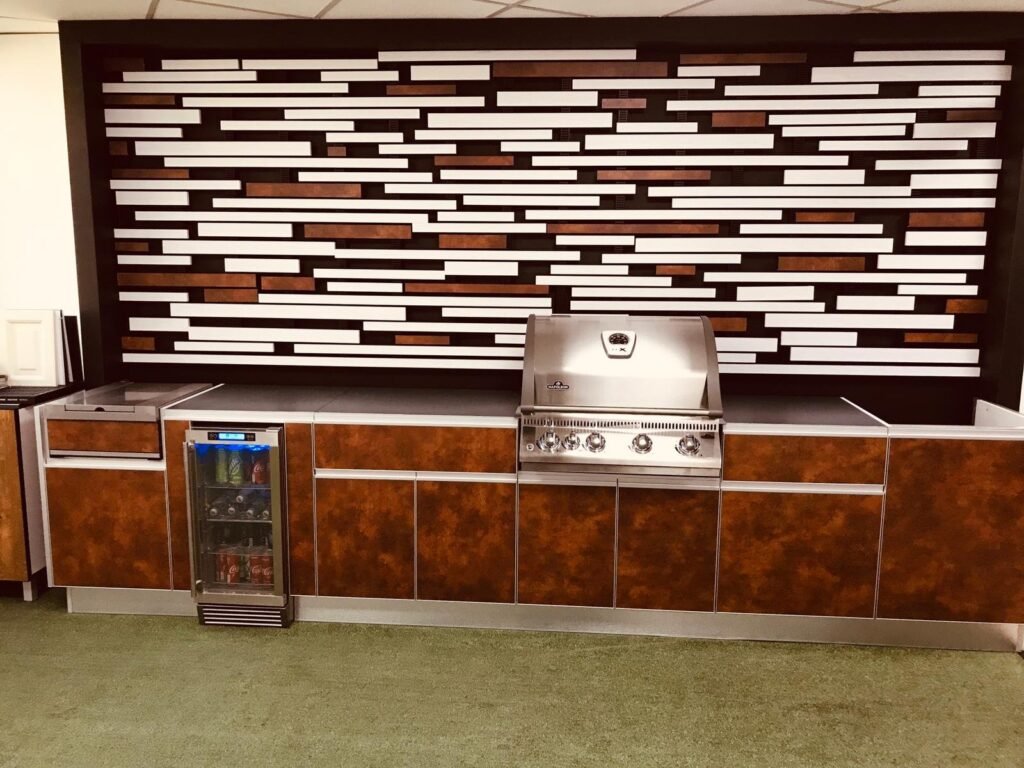
You’re not alone if you want to upgrade your outdoor BBQ space. Join the wave of homeowners embracing outdoor kitchens and entertainment areas, one of the top home improvement trends for 2024. Stay ahead of the curve with the latest trend data: according to Google Trends, searches for “outdoor kitchen ideas” and “modern BBQ space” have surged by over 30% in the past year. Rest assured, aluminum cladding is a standout material that transforms outdoor design. It’s not just stylish; it’s also durable and weather-resistant, providing a secure and long-lasting solution for your outdoor BBQ area. If you’re considering a sleek and functional makeover for your outdoor BBQ area, here are eight stunning ideas for aluminum cladding. 1. Sleek Modern Walls with Aluminum Cladding Turn ordinary brick or concrete into clean, contemporary beauty by cladding your BBQ area walls with aluminum panels. The smooth finish reflects light, contrasts greenery, and adds a minimalist edge. Aluminum is resistant to rust and UV rays, making it ideal for sunny or rainy locations. Pro tip: Opt for matte black or brushed silver for a high-end look. 2. Pergolas Reinvented with Aluminum Accents Consider wrapping the posts or beams in aluminum cladding if your outdoor BBQ setup includes a pergola. It enhances structural durability and adds a sophisticated vibe. You can match the pergola finish with your grill or countertops for a unified design. Aluminum cladding is also low maintenance—just rinse it with water, and you’re done. 3. Aluminum-Clad Outdoor Kitchen Island Your BBQ island is the heart of the space. Cladding its facade in aluminum gives it a modern aesthetic while protecting it from heat, grease, and weather exposure. For a custom look, you can choose from various textures— such as oodgrain, brushed metal, and rusted steel. Did you know aluminum’s melting point is over 1200°F, making it a tremendously heat-resistant option for grill zones? 4. Durable Ceiling Panels for Covered BBQ Spaces Covered BBQ areas are becoming increasingly popular. Instead of going with traditional drywall or wood, consider aluminum ceiling cladding. It’s fire-resistant, mold-proof, and reflects natural light to make the area brighter. Plus, it adds a polished, modern finish that pairs perfectly with outdoor lighting. 5. Statement Walls with Textured Aluminum Cladding Want to create a focal point in your BBQ space? Add a feature wall using aluminum cladding with texture or geometric patterns. Faux wood finishes are perfect for those who love the natural look without worrying about termites or rot. According to the Aluminum Association, this material is 100% recyclable and can last up to 50 years, combining sustainability with strength. 6. Integrated Seating with Aluminum Details Built-in benches clad in aluminum offer sleek, low-maintenance seating. Whether you use L-shaped seating or wraparound banquettes, aluminum’s strength and weatherproof qualities ensure your setup lasts through every season. Pair it with comfortable cushions; you’ll be set for every backyard gathering. 7. Stylish Privacy Screens BBQ areas deserve a little privacy too! As stylish privacy screens, use aluminum cladding panels with laser-cut designs. These panels allow airflow while blocking direct views from neighbors. Choose patterns like leaves, waves, or geometric cuts to match your aesthetic. Bonus: They double as windbreaks on breezy nights. 8. Flooring Borders and Accents While aluminum isn’t the primary flooring, it can create beautiful borders and transitions between concrete, tiles, or decking. These aluminum accents highlight key areas (like the grill zone or lounge space) and help organize your layout visually. It’s the little touches that make a big difference. Why Choose Aluminum Cladding for Outdoor BBQ Areas? Aluminum cladding enhances visual appeal and protects your investment in the long term. Whether building from scratch or upgrading your BBQ area, you won’t regret the choice. Work with Experts Who Understand Design and Durability Designing a BBQ area that’s both functional and elegant takes vision—and the right materials. That’s where Carmel Redesign shines. As authorized partners of GTO Aluminum, they specialize in helping homeowners create customized outdoor spaces using premium cladding products. Their services include design consultation, material selection, and installation, ensuring a seamless and stress-free process. From concept to completion, their team ensures your space stands out for all the right reasons—without compromising quality. Conclusion Outdoor living is about creating experiences; aluminum cladding helps set the perfect stage. Whether you’re going for ultra-modern vibes or warm, nature-inspired textures, the ideas above can completely transform your BBQ area. Ready to bring your dream BBQ space to life? Contact Carmel Redesign today to explore how aluminum cladding can elevate your outdoor oasis. Don’t wait—start creating your dream BBQ space now!
12 Textured Aluminum Cladding Designs That Add Depth to Modern Architecture

Have you thought about how textured aluminum cladding designs can make modern buildings look more stylish and unique? Are you looking to elevate your architectural designs with materials that offer both aesthetic appeal and functional benefits? This guide explores 12 textured aluminum cladding designs that enhance durability, versatility, and visual appeal in modern architecture. Why Choose Aluminum Cladding? Unveiling Its Top Benefits for Modern Architecture Aluminum cladding offers numerous advantages for modern construction projects, making it a preferred choice for architects and builders. Its durability, low maintenance, and design flexibility are particularly noteworthy. Textured aluminum cladding designs enhance these benefits by adding depth and visual interest to building facades. 1. Durability and Low Maintenance One of the key advantages of aluminum cladding is its exceptional durability and low maintenance requirements. Unlike materials that may warp or deteriorate over time, aluminum maintains its integrity, even in harsh environmental conditions. This durability is especially beneficial in textured aluminum cladding designs, where maintaining the intended aesthetic is crucial. Textured aluminum cladding designs are engineered to withstand harsh environmental conditions, from heavy rainfall to intense sunlight, without fading or warping. Their protective coatings and advanced finishes make them resistant to moisture, UV rays, and temperature fluctuations, extending the lifespan of the structure. Additionally, textured aluminum cladding designs require less maintenance than wood or stone. A simple wash with mild detergent is enough to keep them looking pristine, reducing maintenance costs over time. With durable construction and weather resistance, textured aluminum cladding designs offer architects and builders a long-lasting, low-maintenance solution. 2. Design Flexibility Aluminum cladding offers unmatched design flexibility, allowing architects and builders to achieve innovative and visually striking facades. The versatility of textured aluminum cladding designs enables creative freedom in shaping building exteriors while maintaining structural integrity. Whether applied to curved surfaces, intricate patterns, or custom shapes, aluminum cladding adapts effortlessly, ensuring a unique and dynamic appearance. Additionally, textured aluminum cladding designs can be combined with other materials like glass or wood, enhancing the overall aesthetic appeal. With customizable options and advanced fabrication techniques, aluminum cladding empowers designers to bring their architectural visions to life with precision and style. 3. Fire Resistance Aluminum cladding is inherently fire-resistant, making it a safe and reliable choice for modern construction. Unlike combustible materials, it does not ignite or contribute to fire spread, ensuring enhanced building safety. With a high melting point and non-flammable properties, textured aluminum cladding designs provide an extra layer of protection against fire hazards. Many architectural projects choose aluminum cladding to meet building codes and improve overall safety without compromising aesthetics. Additionally, textured aluminum cladding designs are often combined with fire-resistant coatings and insulation systems, further enhancing their ability to withstand high temperatures. This feature makes them a preferred choice for high-rise buildings, industrial facilities, and public spaces where fire safety is a top priority. 4. Energy Efficiency Aluminum cladding enhances a building’s energy efficiency by providing excellent thermal insulation and reducing heat transfer. By acting as a barrier, it prevents the loss or gain of heat, leading to reduced energy usage for heating or cooling purposes. 5. Lightweight and Easy Installation One of the standout advantages of textured aluminum cladding designs is their lightweight nature, which makes installation faster, easier, and more cost-effective. Unlike stone or concrete, textured aluminum cladding designs lighten structural loads, making them ideal for new builds and renovations. Because of their lightweight properties, textured aluminum cladding designs allow for flexible handling, requiring minimal structural reinforcements. This not only simplifies installation but also significantly lowers labor costs. Additionally, many textured aluminum cladding designs come in prefabricated panels, making the process even more efficient. Another major benefit of textured aluminum cladding designs is that they can be installed using various mounting systems, such as concealed fasteners or interlocking panels. This ensures a seamless, modern appearance without visible screws or bolts disrupting the aesthetics. Textured aluminum cladding designs offer efficiency, durability, and style for residential, commercial, or industrial projects. With minimal installation effort and maximum design flexibility, it’s no wonder that textured aluminum cladding designs are a top choice for architects and builders today. Let’s explore 12 innovative textured aluminum cladding designs that can transform your architectural projects, providing a blend of durability, versatility, and visual intrigue. 1. Wood Grain Textured Aluminum Cladding Wood grain textured aluminum cladding combines the timeless beauty of natural wood with the durability and low maintenance of aluminum. This innovative cladding solution replicates the warm, organic appeal of timber while eliminating concerns like rot, warping, and termite damage. With advanced coating techniques, wood grain textured aluminum cladding mimics real wood, from oak to walnut, suiting modern and traditional architecture. It provides the aesthetic charm of wood without requiring frequent staining or sealing, making it a long-lasting and cost-effective alternative. This cladding is lightweight, easy to install, and highly resistant to weather conditions, ensuring long-term performance in residential and commercial buildings. Whether for facades, ceilings, or interior accent walls, wood grain textured aluminum cladding enhances architectural designs with a natural yet contemporary look. 2. Perforated Aluminum Panels Perforated aluminum panels combine functionality with modern aesthetics, making them a versatile choice for architectural facades, interior partitions, and decorative elements. These panels feature precision-cut perforations in various patterns, allowing architects to create unique, visually dynamic designs while enhancing airflow and natural light penetration. Highly durable and corrosion-resistant, perforated aluminum panels withstand harsh weather conditions without compromising structural integrity. They also offer acoustic benefits, helping to reduce noise levels in commercial and industrial spaces. Beyond their aesthetic appeal, perforated aluminum panels provide practical advantages such as improved ventilation, energy efficiency, and privacy screening. Whether used for exterior facades, sunscreens, or artistic installations, these panels elevate architectural projects with a blend of style and performance. 3. Corrugated Aluminum Cladding Corrugated aluminum cladding is a durable and stylish solution that adds depth and texture to building facades. Its signature wavy pattern not only enhances visual appeal but also increases structural strength, making it ideal for both residential and commercial applications. Lightweight
Top 15 Compelling Reasons to Choose Aluminum Cladding for Your Home’s Exterior Design in 2025
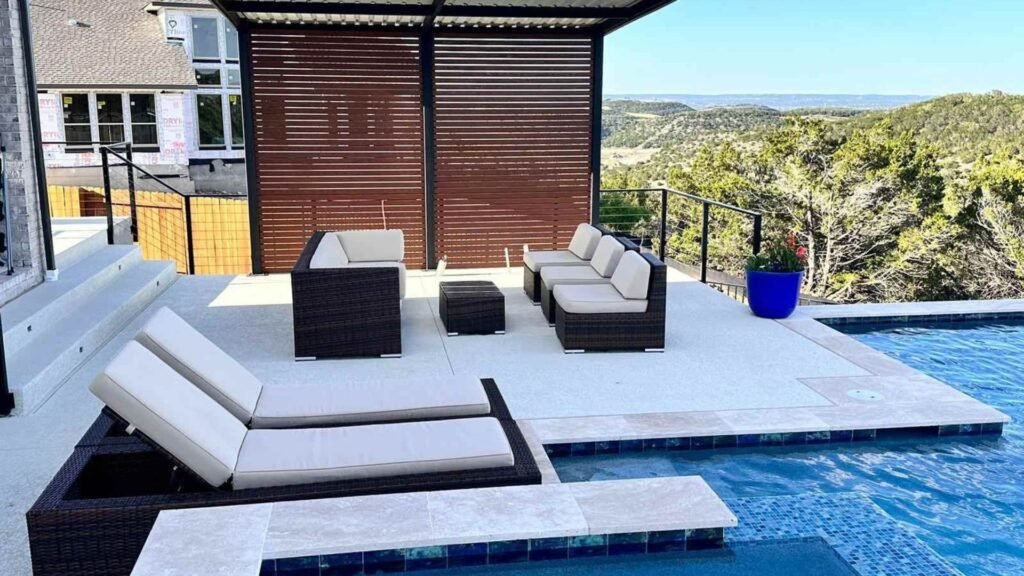
Have you considered aluminum cladding for your home’s exterior as the solution that checks all the boxes? Are you searching for the perfect balance of style, durability, and functionality for your home’s exterior? In today’s world of architectural innovation, aluminum cladding has emerged as a favorite among homeowners and designers for creating exteriors that are both visually stunning and highly practical. In this blog, we’ll explore the top 15 compelling reasons why aluminum cladding for your home’s exterior design is an excellent investment. Whether you’re upgrading an existing property or designing a new one, this versatile material promises to transform your home’s appearance while ensuring long-term performance. What is Aluminum Cladding and How Does It Work? Aluminum cladding for your home’s exterior is a protective and decorative layer made from aluminum panels or sheets that are attached to the exterior walls of a building. This innovative material not only enhances the aesthetic appeal of your home but also provides a durable shield against environmental elements like rain, wind, and UV rays. Designed for both functionality and style, aluminum cladding is a versatile choice that suits a wide range of architectural styles. The way aluminum cladding for your home’s exterior works is simple yet effective. Panels are installed over a framework or directly onto the walls, creating a weather-resistant barrier that protects the underlying structure. This layer prevents moisture infiltration, reduces heat transfer, and enhances energy efficiency. Its lightweight nature makes installation quicker and more efficient, while its corrosion-resistant properties ensure long-lasting performance. With aluminum cladding for your home’s exterior, you get the perfect blend of durability, energy efficiency, and modern aesthetics. It’s a smart choice for homeowners looking to upgrade their exteriors with a material that works as hard as it looks. Why Aluminum Cladding Matters in Seattle? Seattle’s unique climate, characterized by frequent rain, high humidity, and occasional extreme weather, makes choosing the right material for your home’s exterior critical. Aluminum cladding for your home’s exterior stands out as an ideal solution due to its unparalleled resistance to moisture, corrosion, and wear. Unlike traditional materials like wood, which can warp or decay in damp conditions, aluminum cladding provides long-lasting protection while maintaining its sleek appearance. Additionally, aluminum cladding for your home’s exterior offers excellent energy efficiency—a valuable feature in Seattle’s varying temperatures. Its reflective properties help regulate indoor temperatures, keeping your home comfortable year-round. Beyond practicality, aluminum cladding also enhances curb appeal, providing a modern, stylish façade that blends seamlessly with Seattle’s contemporary architectural trends. For homeowners in Seattle, choosing aluminum cladding for your home’s exterior ensures durability, sustainability, and a beautiful design that can withstand the city’s demanding weather conditions. It’s a smart investment that protects your home while adding value and aesthetic charm. Here are the top 15 compelling reasons to choose aluminum cladding for your home’s exterior design in 2025. Let’s dive in! Top 15 Compelling Reasons to Choose Aluminum Cladding for Your Home’s Exterior Design in 2025 1. Light Weight yet Strong One of the standout features of aluminum cladding is its impressive combination of being lightweight yet incredibly strong. This unique quality makes it easier to handle and install compared to heavier materials like stone or concrete, reducing both labor costs and time. Lightweight yet durable, aluminum cladding protects your home from harsh weather conditions. The lightweight nature of aluminum cladding for your home exterior reduces structural load, making it safer and more efficient for renovations or new builds. 2. No Need for Welding One of the significant advantages of aluminum cladding for your home’s exterior is that it eliminates the need for welding during installation. This feature not only simplifies the process but also reduces the time and labor costs associated with traditional exterior materials. The panels are designed with innovative systems like click-and-lock mechanisms, making installation faster and more efficient. By avoiding welding, aluminum cladding ensures a cleaner, seamless finish that enhances your home’s aesthetic appeal. This method also reduces the risk of installation errors, ensuring a durable and professional-looking exterior. Whether you’re upgrading or building from scratch, the no-welding feature of aluminum cladding is a game-changer for modern home design. 3. Does not require maintenance Nobody wants an exterior material that demands constant upkeep. One of the biggest advantages of aluminum cladding is its low-maintenance nature. Unlike materials like wood, which require regular sealing, painting, or polishing, aluminum cladding maintains its pristine appearance with minimal effort. A simple occasional wash with water and mild detergent is enough to keep it looking new. By choosing aluminum cladding for your home’s exterior, you save time, effort, and money on upkeep while enjoying a durable and stylish exterior that stands the test of time. It’s the ultimate hassle-free solution for modern homeowners. 4. Variety of Colors and Textures including Wood & Iron Aluminum cladding for your home’s exterior offers an impressive range of colors and textures, including finishes that mimic natural wood and industrial iron. This versatility allows homeowners to achieve their desired aesthetic without sacrificing durability or maintenance benefits. Whether you want a rustic charm or a sleek modern look, aluminum cladding for your home’s exterior provides endless design possibilities to suit any architectural style. 5. Impervious to Damage from Pests such as Termites One of the key benefits of aluminum cladding for your home’s exterior is its resistance to pests like termites and carpenter ants. Unlike wood, aluminum cladding is impervious to infestations, ensuring your home remains protected and structurally sound. This durable material provides a long-lasting, low-maintenance solution for homeowners looking to avoid costly pest-related repairs, making aluminum cladding for your home’s exterior a smart investment. 6. Includes Lifetime Warranty Against Water and Pests Aluminum cladding often comes with a lifetime warranty against water damage and pests, giving homeowners peace of mind and long-term protection. This warranty ensures that your investment in aluminum cladding remains secure, offering unmatched durability and resilience against the elements and infestations. It’s a reliable, worry-free solution for modern exteriors. 7. Fire-Resistant Aluminum cladding is a